15 "Fat-Burning Foods":
What to Eat for Weight Loss
Beans, eggs, plain Greek yogurt, fish, oats, vegetables, and whole fruit can all be useful choices when you're trying to lose weight. Their value comes from the meals they help you build. No food burns away body fat on its own.
I put this guide together to make choosing what to eat a little easier. You'll find 15 everyday foods or food groups, practical portions, and simple ways to use them. Choose the ones you enjoy and can fit into your routine.
For body-fat loss, you generally need to take in less energy than your body uses over time. Foods that help you feel satisfied can make that easier, although feeling fuller does not always mean eating fewer calories. Your overall eating pattern matters more than including any particular food. [1, 2]

The 15 foods at a glance
These are example portions, not daily targets or limits. They are not equal in calories or protein, and you do not need to eat all 15 foods. Adjust amounts to your appetite, activity, health needs, and the rest of your meal.
| Food | Example portion | An easy way to use it |
|---|---|---|
| Beans, lentils, and chickpeas | 1/2 cup cooked or canned and drained | Replace some rice or meat in a bowl or chili |
| Plain Greek yogurt | 3/4 cup | Add fruit, or use it in a savory dip |
| Eggs | 1 large egg as part of a meal | Serve with whole-grain toast and vegetables |
| Chicken and turkey | 3-4 oz cooked, without skin | Add to a vegetable and grain bowl |
| Fish | 3-4 oz cooked, or canned and drained | Serve with vegetables and a potato |
| Tofu and edamame | About 4 oz firm tofu, or 1/2 cup cooked, shelled edamame | Use in a stir-fry or salad |
| Oatmeal | 1/2 cup dry rolled oats, then cooked | Add fruit and milk or yogurt |
| Barley | 1/2 cup cooked | Use in a side dish or grain bowl |
| Potatoes | 1 medium baked or boiled potato | Top with beans, salsa, or plain yogurt |
| Nonstarchy vegetables | About half a dinner plate | Try broccoli, peppers, greens, or a mixture |
| Berries | 1/2-1 cup | Use fresh or unsweetened frozen berries with breakfast |
| Apples and pears | 1 medium whole fruit | Pack for a snack or slice alongside lunch |
| Nuts and nut butter | 1 oz nuts, or 1 tablespoon nut butter | Portion into a bowl, or spread on toast |
| Air-popped popcorn | About 3 cups, after popping | Season for a crunchy snack |
| Broth-based vegetable soup | About 1 cup alongside a meal | Pair with a sandwich, or build a larger meal with beans or chicken |
Meat and fish weights refer to the food as eaten. The oatmeal amount is measured dry; the barley and beans are measured cooked. An ounce is about 28 grams, so a 3-4 oz portion is roughly 85-115 grams.
15 foods to help you build satisfying meals
1. Beans, lentils, and chickpeas
Beans and lentils bring both protein and fiber to a meal. Canned beans are convenient, and lentils work well in soups, stews, and bowls. Research reviews suggest a modest benefit for weight management when these foods are included in the diet. [4, 5]
Try it: Use 1/2 cup of black beans in place of some of the rice in a burrito bowl. Add tomatoes, lettuce, salsa, and chicken or tofu if you want another protein food. Or replace part of the meat in chili with lentils.
If a large serving leaves you uncomfortable, start with a smaller amount and increase gradually.
2. Plain Greek yogurt
Plain Greek yogurt is a convenient protein food that works in sweet or savory meals. Add berries for breakfast, or stir in lemon juice and herbs for a dip. Lower-fat versions are an option if you want to reduce the calories and saturated fat in that part of your meal. Compare the labels on the products you actually buy. [15]
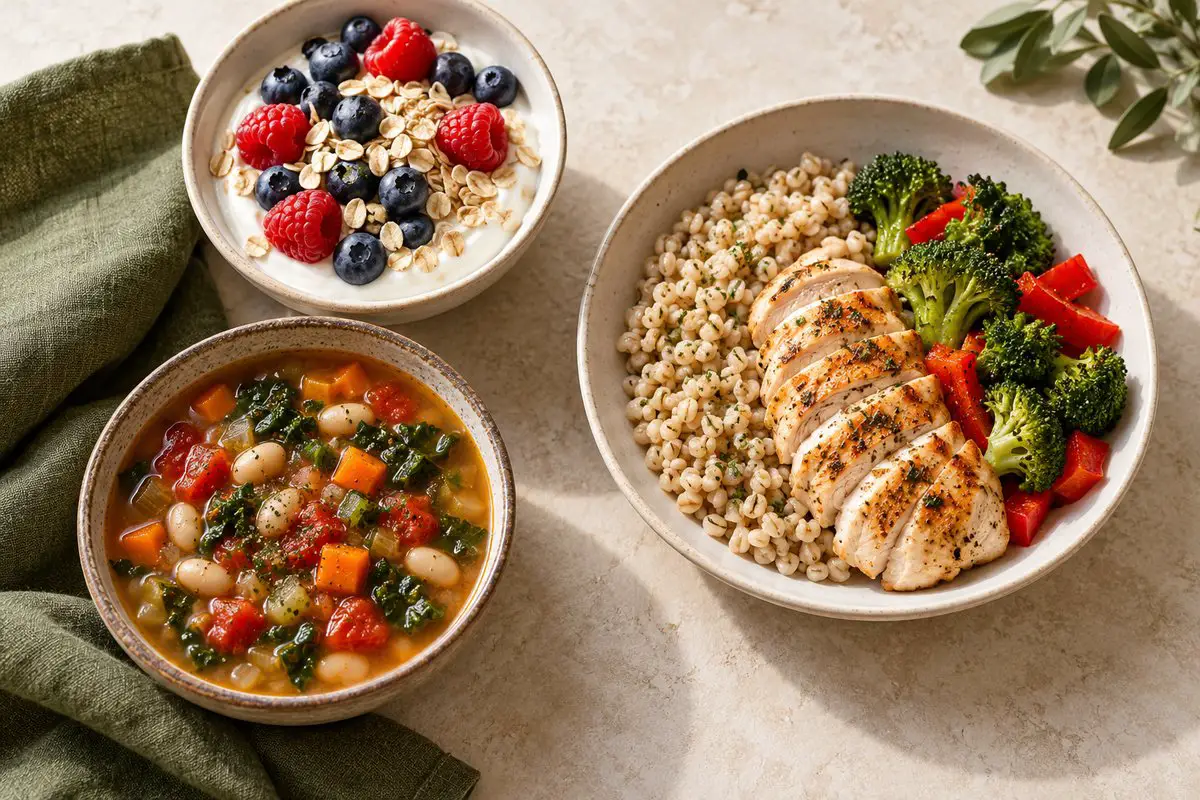
Try it: Spoon 3/4 cup into a bowl, add berries, and finish with a little oatmeal or a measured topping of nuts.
Its protein makes yogurt useful here. Calcium is an important nutrient, but consuming more is not a reliable weight-loss strategy. [6]
3. Eggs
Eggs make a quick protein component for breakfast, lunch, or dinner. You can boil them ahead, scramble them with vegetables, or use them in a frittata. [4]
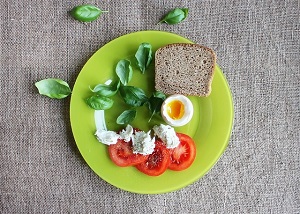
Try it: Serve an egg with whole-grain toast and cooked tomatoes or spinach. Adjust the egg portion to the rest of the meal and your needs.
Eggs can affect blood cholesterol. If you have been given individual advice about dietary cholesterol, use it when choosing egg portions. [7]
4. Chicken and turkey
Skinless chicken and turkey are straightforward ways to include protein in a meal. Roasted, grilled, poached, and leftover cooked poultry can all work. Protein can help with fullness and with retaining lean tissue during weight loss, but the portions and the rest of the meal still matter. [2, 4]
Try it: Add 3-4 oz of cooked chicken to a bowl with barley, broccoli, and a dressing you enjoy.
Roast or poach enough for another meal, and use the extra cooked poultry in a wrap or soup. Refrigerate leftovers promptly.
5. Fish
Fish offers another way to build a meal around protein. Salmon, sardines, trout, cod, and other fish give you options with different flavors and fat contents. Frozen fillets and canned fish can be practical alternatives to fresh fish. [4]
Try it: Serve 3-4 oz of cooked fish with vegetables and a baked potato. For lunch, mix drained canned salmon with plain yogurt, lemon juice, and chopped celery for a sandwich filling.
Oily fish also provides omega-3 fats. Studies of omega-3 supplements have not consistently shown weight or body-fat loss, so choose fish for its food value rather than a fat-burning promise. [8]
6. Tofu and edamame
Tofu and edamame provide plant-based protein. Firm tofu works well in a stir-fry or baked dish, while frozen edamame can be prepared as a side or added to a bowl. [4]
Try it: Use about 4 oz of firm tofu with a generous portion of stir-fried vegetables and some rice. Or add 1/2 cup of cooked, shelled edamame to a salad.
Tofu varies considerably by type and brand. Check the label if you are comparing protein or calories, and account for the oil and sauce used in cooking.
7. Oatmeal


Oats provide fiber and make a warm breakfast that is easy to vary. Plain instant oats, quick oats, and old-fashioned rolled oats can all be useful. A small feeding trial also found oatmeal helpful for fullness, although one breakfast study cannot establish lasting weight loss. [9]
Try it: Cook 1/2 cup of dry rolled oats, then add berries and milk or yogurt. Measure extras such as nut butter, syrup, and dried fruit so you know what is going into the bowl.
8. Barley
Barley gives you a chewy, fiber-containing alternative to the grains you usually serve. It works in soups, grain bowls, and side dishes with mushrooms or vegetables. Hulled barley is a whole grain; pearled barley has had bran removed, but still provides fiber. [20]
Try it: Serve 1/2 cup of cooked barley with chicken or tofu and roasted vegetables. Make extra for another meal and refrigerate it promptly.
Follow the package's cooking directions because preparation times differ.
9. Potatoes
A baked or boiled potato can fit into a weight-loss eating pattern, including diets studied in human trials. Its preparation matters: frying and generous toppings can add substantially to the calories in the finished dish. [10]
Try it: Top a medium baked potato with beans and salsa, or serve it with fish and vegetables. Plain yogurt and chopped chives make another topping option.
You do not have to remove potatoes simply because they contain starch.
10. Nonstarchy vegetables
Broccoli, cabbage, leafy greens, peppers, zucchini, and similar vegetables can add a generous amount of food to a meal without a large calorie contribution. They also provide fiber and a variety of nutrients. [18]
Try it: Fill about half your dinner plate with vegetables you enjoy. Frozen broccoli, a bag of salad greens, or leftover roasted vegetables can make this easier. [15]
Use them to replace some of another part of the meal when reducing calories is your goal. Adding vegetables alongside everything you already planned to eat does not automatically lower the meal's calories. Dressings and cooking fats count too. [3]
11. Berries
Strawberries, blueberries, raspberries, and blackberries add flavor, water, and fiber to meals. You can use fresh berries or keep unsweetened frozen berries on hand. [3]
Try it: Add 1/2-1 cup to yogurt or oatmeal. For dessert, try a bowl of berries with a topping you enjoy, adjusting the topping to suit your meal.
Thaw frozen berries into a quick topping, or warm them gently in a saucepan. Whole berries can fit into a weight-loss eating pattern despite their natural sugar.
12. Apples and pears


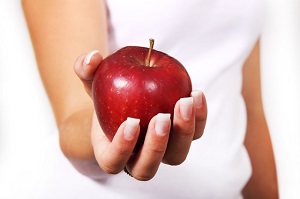
Whole apples and pears are portable and require very little preparation. They provide fiber and water, and take time to chew. In a short-term study, whole apple was more filling than applesauce or juice. [3, 11]
Try it: Pack a medium apple or pear for a snack. If you want something alongside it, try plain yogurt or a measured spoonful of peanut butter, and include both foods when thinking about the snack's size.
13. Nuts and nut butter
Almonds, walnuts, peanuts, and nut butter can make meals and snacks more enjoyable. They provide unsaturated fats and some protein, and whole nuts also provide fiber. [4, 12]
Try it: Put an ounce of nuts in a small bowl, or spread a tablespoon of peanut butter on toast or apple slices. Those are different serving ideas, not equal-calorie exchanges.
Nuts can fit into weight-loss diets, but eating them does not guarantee extra weight loss. An open bag or an overflowing spoon can also be much more than the portion you had in mind. [12]
For more about fat types and everyday substitutions, see my unsaturated fat foods guide.
14. Air-popped popcorn
Popcorn is a whole grain and offers a roomy, crunchy snack. Air-popping lets you decide how much oil or butter to add. [20]
Try it: Measure about 3 cups after popping and season with paprika, herbs, or another flavor you like. If you add butter or oil, measure that too.
A small feeding study suggests popcorn can help with fullness. It did not test lasting weight loss. Butter, oil, and sweet coatings also change the finished snack, so compare the portion you will actually eat. [13]
15. Broth-based vegetable soup
Soup offers a convenient way to turn vegetables, beans, and leftovers into a meal. A broth-based soup can provide a substantial bowl of food. In a controlled meal study, a low-calorie vegetable soup helped people eat less at lunch, even after counting the soup. [14]
Try it: Have a cup of vegetable soup with a sandwich, or make a larger bowl into a main meal with beans, lentils, or chicken. Check the sodium on packaged soups if that is something you need to limit.
Choose the ingredients to suit its role: a light starter and a filling main-meal soup need different portions and amounts of protein.
Easy meal and snack combinations
I would start with a meal you already eat and make one manageable change. These combinations use the foods above without requiring a special menu:
| Meal or snack | Put it together | What to pay attention to |
|---|---|---|
| Yogurt breakfast | Plain Greek yogurt, berries, and oats | Include the oats and any nuts, honey, or syrup in the portion |
| Chicken or tofu bowl | Chicken or tofu, cooked barley, broccoli, and peppers | Use a measured amount of dressing or cooking oil |
| Bean-topped potato | A baked potato, black beans, salsa, and a side salad | Add the toppings you want in amounts that fit the meal |
| Fish dinner | Fish, boiled potatoes, and vegetables | Consider sauces and butter along with the main ingredients |
| Quick soup lunch | Vegetable-and-bean soup with whole-grain toast | Choose enough food for a satisfying lunch |
| Fruit snack | An apple or pear, with yogurt or nut butter if desired | Adjust the combination to your hunger |
| Crunchy snack | A bowl of popcorn or a measured portion of nuts | Portion it before sitting down to eat |
These are ideas to adapt, not a prescribed daily menu. You do not need to add snacks if your meals already meet your needs.
Make the portions work for you
Think about what the food replaces. Beans can replace some rice in a bowl. Vegetables can replace part of a larger pasta portion. Unsweetened tea can replace a sugary drink. Adding all three to an otherwise unchanged day is a different situation. [3]
Keep track of concentrated extras. Oil, nut butter, cheese, dressings, and sauces can fit into meals. Measuring a few familiar portions helps you see how much you normally use. [15, 19]
Make meals satisfying enough to repeat. A small bowl of plain vegetables may leave you looking for more food soon afterward. Add a protein food and other foods you enjoy, then adjust the amounts to your needs.
Look at the pattern over time. One food or meal does not determine your results. If your plan repeatedly leaves you hungry, is difficult to maintain, or is not helping you reach your goal, reconsider the overall plan rather than searching for a stronger "fat burner." A registered dietitian can help you tailor it. [1]
If you follow a prescribed diet, let that guide your food choices and portions.
Common questions about fat-burning foods
Can any food specifically burn belly fat?
No particular food reliably targets fat around your waist. A change in waist size during a diet study does not show that one ingredient selectively burns belly fat. Focus on a sustainable overall approach instead of a food promising results in one body area. [1]
Does protein burn more calories during digestion?
Your body generally uses more energy to process protein than an equal calorie amount of fat or carbohydrate. That is one reason protein gets attention in weight-management research. It does not cancel the calories in a protein food or make adding extra shakes a weight-loss strategy. Fullness and retaining lean tissue are more useful reasons to include protein in meals. [2]
What about green tea, vinegar, and olive oil?
Green tea: Unsweetened tea can be a useful replacement for a calorie-containing drink. Research on tea and extracts suggests, at most, modest effects on weight. There is no dependable number of cups that will cause fat loss. Brewed tea and concentrated extract supplements are different products. [16]
Vinegar: Use it if you enjoy its flavor in dressings or cooking. Some short trials have reported weight changes, but they do not establish dependable, lasting benefits. A widely publicized trial was retracted over concerns about its data and methods. I would not build a weight-loss plan around drinking vinegar. [17]
Olive oil: It can be a useful cooking fat or dressing ingredient. Measure it as part of the meal; its unsaturated fat does not make it calorie-free or turn it into a fat burner. My unsaturated fat foods guide explains the portions and swaps in more detail. [15]
Do I need whey protein powder?
No. Protein powder is an optional convenience. You can get protein from ordinary foods, including dairy, eggs, fish, poultry, beans, and soy foods. [4]
If you use a powder, check the amount of protein and calories in your brand's serving, along with everything added to the shake. A scoop in a drink is not automatically a complete meal.
Do I have to avoid carbohydrates to lose weight?
No single carbohydrate level suits everyone. A reduced-calorie eating pattern can include oats, beans, fruit, potatoes, and grains. Choose a pattern that works with your preferences and health needs. [1, 15]
If you are comparing carbohydrate amounts, my foods with no carbs guide distinguishes zero-carb foods from foods with small amounts. Being low in carbs does not make a food unlimited.
Choose one meal to improve
Pick a meal you often eat. Choose a protein food you like, add vegetables or fruit, and include a grain or starchy food if it fits the meal. Decide on the amount of dressing, oil, or other topping before you add it.
Then write down one change you can repeat: beans in a lunch bowl, vegetables alongside dinner, or a portioned snack ready for a busy afternoon. You can build from there.
How I checked this guide
I used government health guidance, research reviews, and human feeding trials to check the claims. The food list is a selection of useful meal ingredients and dishes, not a ranking of foods proven to cause the most fat loss.
Studies measure different things. Feeling fuller, eating less at one meal, and losing body fat over months are different outcomes. I have identified short-term findings where they are mentioned and have not treated supplement or animal research as proof of what an ordinary food serving will do.
The portion examples are meal-planning suggestions, not doses taken from weight-loss trials. They are not calorie-matched or protein-matched. Cups describe the food's volume; ounce amounts describe its weight. Gram equivalents use 28.35 grams per ounce and are rounded for everyday use. No nutrient totals are assigned to the broad food groups in the overview.
Sources and study notes
- NIDDK: Choosing a Safe and Successful Weight-loss Program. Sustainable eating plans, individual needs, and misleading weight-loss promises.
- Wycherley et al., 2012: Higher-protein versus standard-protein reduced-calorie diets; Dhillon et al., 2016: Protein intake and fullness; Leidy et al., 2015: Protein in weight loss and maintenance. Weight outcomes, appetite, and the energy used to process protein are related but distinct.
- CDC: How to Use Fruits and Vegetables to Help Manage Your Weight (PDF). Whole foods, preparation, and substitution.
- USDA MyPlate: Protein Foods. Food sources and examples of food-group portions. Food-group equivalents are not equal-calorie or equal-protein exchanges.
- Kim et al., 2016: Dietary pulses and body weight; Rahmanian et al., 2026: Non-soy legumes and body composition. Reviews of randomized trials; results do not establish an individual prediction.
- NIH Office of Dietary Supplements: Weight-loss Supplements; Chen et al., 2012: Dairy intake, body weight, and fat. Calcium claims and the differing results of dairy interventions.
- Keogh and Clifton, 2020: Egg versus cereal breakfasts during calorie restriction; Egg consumption and blood lipids, 2018. The six-month breakfast trial found no significant difference in weight loss. The separate review found that eating eggs raised LDL and HDL cholesterol on average.
- Effects of omega-3 supplementation on body weight and fat mass, 2021. Inconsistent evidence for weight or fat loss from supplements.
- Rebello et al., 2016: Oatmeal, fullness, and intake at the next meal. A small crossover trial comparing equal-calorie breakfasts of oatmeal and a particular ready-to-eat oat cereal. Lunch intake was also lower after oatmeal. Published online in 2015; it did not test long-term weight loss.
- Potato- and bean-based diets low in energy density, 2022. An eight-week feeding trial in adults with insulin resistance, not a test of unrestricted potato intake or proof that potatoes themselves cause weight loss.
- Flood-Obbagy and Rolls, 2009: Whole apple, applesauce, juice, and meal intake. Short-term feeding study.
- Nuts and body weight, 2021; Nuts with energy restriction, 2024. Research reviews support compatibility with weight management, not automatic additional weight loss. Whole-nut findings should not be assumed to apply equally to every nut-butter product or serving.
- Nguyen et al., 2012: Popcorn compared with potato chips. Small, short-term study in adults of normal weight. The snack portions differed in both volume and calories; it was not a long-term weight-loss trial.
- Flood and Rolls, 2007: Vegetable soup before a meal. Total intake included both the soup and the following meal. The finding concerns a particular meal setting, not lasting weight loss or every kind of soup.
- NHS: Healthy Eating When Trying to Lose Weight. Meal composition, vegetables, protein foods, and measuring fats.
- NCCIH: Green Tea; NCCIH: Weight-loss Supplement Research. Modest or clinically unimportant weight effects and distinctions between tea and extracts.
- Kondo et al., 2009: Vinegar trial in Japanese adults; BMJ's 2025 vinegar-trial retraction notice. The retracted trial is identified to explain an evidence limitation, not used to support efficacy.
- USDA MyPlate: Vegetables. Vegetable groups, nutrients, and substitution.
- NIDDK: Food Portions: Choosing Just Enough for You. Portions, package serving sizes, and food labels.
- Montana State University Extension: Barley (PDF); USDA Agricultural Research Service: Popcorn, a Whole Grain Snack. Grain characteristics, preparation, and everyday uses.