- Home
- Simple Diet
- Foods That Increase Metabolism
Foods That Increase Metabolism: How Much Difference Do They Make?
I'm a caffeinated human. Most mornings I have a coffee before work, and I usually skip the "dessert" coffees. An iced triple espresso gets me going just fine. I've always figured that if I can feel that much more awake, I must be burning more calories, too. How many more, though?
Caffeine can briefly raise the number of calories you burn at rest. A higher-protein meal generally takes more energy to digest than a lower-protein meal with the same calories, and hot red pepper can give calorie burn a small nudge. The surprise is how small some of those effects are once you put them in calories.
How many extra calories does coffee burn?
In one lab study, volunteers took 100 milligrams of caffeine. Over the next two and a half hours, their resting metabolic rate averaged about 3% to 4% higher. The researchers were measuring the energy people used at rest during that window. A 4% bump sounds a lot bigger if you accidentally apply it to your entire day. [1]
At the coffee counter, my other usual orders are a medium unsweetened cold brew with butter or heavy cream and a little liquid stevia, or an Americano with a splash of heavy cream and stevia. One heavy cream label, for example, lists 60 calories per tablespoon. If you're curious what your own splash adds up to, pour it into a tablespoon once. That's an easier number to get right than guessing how many calories the caffeine burns. [2]
Regular caffeine drinkers can also develop tolerance, which can shrink the metabolic effect. I can tell when my morning coffee helps me get going at work. I couldn't tell you from that feeling whether I burned six extra calories. [3]
Why protein-rich foods take more energy to digest
I've eaten keto or carnivore on and off for a couple of years, and these days I eat a lot of protein. I've wondered what my morning coffee does to my metabolism, but it never occurred to me to ask the same question about the steak on my dinner plate.
Your body spends energy breaking down a meal, absorbing its nutrients, and putting them to use. Scientists call that the thermic effect of food. Protein generally costs your body more energy to process than fat or carbohydrate. Chicken, fish, eggs, beans, and plain Greek yogurt are everyday ways to get it.
To put that difference in perspective, eight volunteers tried several 250-calorie shakes in a controlled experiment. Over three hours, they used about 31 more calories processing the higher-protein mixed shake than the lower-protein one. That's a difference researchers could measure. It doesn't give us a 31-calorie credit for eating chicken at dinner. An ordinary mixed meal has a different recipe, and the study only followed each shake for three hours. [4]
If your usual breakfast is toast and jam and you'd like more protein, try an egg on the toast. Or spoon plain Greek yogurt over berries. Either is a way to change a meal you already eat without having to buy a shake.
What about hot peppers?
In a Purdue study, 25 adults tried a meal with a gram of hot red pepper and a meal without it. On average, they burned about 10 extra calories over the next four and a half hours with the pepper. If you like chili flakes on eggs or in a pot of beans, enjoy them. Ten calories is a pretty small reward for making lunch hotter than you like. [5]
Why an apple can help in a different way


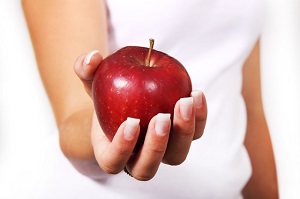
Apples often turn up on metabolism-boosting food lists. Here's the experiment I find more useful. On different days, 58 adults had apple slices, applesauce, or apple juice before lunch. The servings had the same calories. People felt fuller after the slices and ate less at lunch than after the juice. The researchers measured how much people ate. They didn't need to assume that digesting an apple burns a remarkable number of calories. [6]
If you're packing lunch and choosing between an apple and a bottle of apple juice, that's a reason to pack the apple. For more ideas along those lines, see my guide to 15 foods that help make a meal more satisfying.
Do I need different foods to boost my metabolism as I get older?
One reason this question comes up is the idea that metabolism starts falling every decade after 20. When researchers compared daily energy use across the human lifespan and accounted for body size and composition, the adult average held fairly steady from about age 20 to 60, then declined. That's a population average. A change from a job on your feet to a job at a desk can change your own calorie needs well before your 60th birthday. [7]
If your daily routine has changed, a useful question is whether the lunches and portions that suited your old routine still suit this one. That's a better place to start than looking for a stronger cup of coffee.
How I checked these claims
- Dulloo and colleagues (1989). Caffeine and resting energy use in human volunteers.
- Organic Valley. Heavy whipping cream nutrition label. Check your own carton for its serving size and calories.
- NIH Office of Dietary Supplements. Weight-loss supplements evidence review, section on caffeine.
- Scott and Devore (2005). Comparison of three equal-calorie meal-replacement shakes. For the findings across multiple studies, see the 2024 review of protein and the thermic effect of food.
- Ludy and Mattes (2011). Red pepper, energy expenditure, and appetite.
- Flood-Obbagy and Rolls (2009). Whole fruit, applesauce, and juice before a meal.
- Pontzer and colleagues (2021). Daily energy expenditure through the human life course.